Maths Home Learning 18th May 2020

Identifying the fraction shaded

Fractions can be shown in different ways, including within shaded shapes. This can be a useful way to see them.

Here is a square that has been divided into 4 parts.

You can see that 1 part of the 4 is shaded.

As a fraction we can show that as ¼ (one quarter).

quarterone quarter showing numerator and denominator
  • The top number is called the numerator. This shows how many parts you have (1 in this case).

  • The bottom number is called the denominator. This shows you how many parts the whole object has been divided into (4 in this example).

    ¼ is also called a unit fraction. This is any fraction with 1 as its numerator.

What fraction has been shaded in this shape?

You can see 1 part out of 6 has been shaded or ⅙

If we were to shade in 2 more parts, what fraction would be shaded now?

The answer is ³⁄₆

Visit the BBC Bitesize page to see the video and activities where you can practise identifying the shaded amount.

If you think you’ve mastered that, try my challenge!

Challenge

Thank you NHS

Well done to all the children and staff at Holy Trinity who took part creating a wonderful poster out of bottle tops and children’s work, celebrating the hard work of the NHS. We collectively created the poster to say a huge thank you and show our support as a school and family!

The wonderful work is now displayed at the ‘Renal Unit’ at the Royal Shrewsbury Hospital.

Right to left: Nurse Jenny, Nurse Rosamma and Nurse Rachel. Some of you may recognise Nurse Jenny as she has been into school sharing her knowledge and experiences with KS1 earlier in the year!

Thank you too all the children, school staff and NHS and keep staff.

Maths Home Learning 18th May 2020

Introduction to fractions

Fractions Explained - A Guide for Parents

Fractions always show parts of a whole amount.

For example, if I have ½ of something there are 2 equal pieces and I have 1 of them.

fractions pizza slices clipart pizza fractions clip art by liljax ...

A great way to begin looking at fractions is using a pizza or cake! Get your chef hats on the make your own pizza or bake a cake. Then you can begin slicing it in equal parts and talking about the fractions you make each time. You can use this Powerpoint to help you:

t-n-927-pizza-fractions-powerpoint_ver_5

Visit the BBC Bitesize Page for more videos and activities to watch and try.

Finally, if you think you’ve mastered fractions, can you answer my challenge questions below?

Challenge

Mr Hughes’ home is his museum!

Hello everyone! This is a little project I saw and thought was fantastic! A chance to create your own museum or art gallery at home!

Here’s mine!

Follow this link to the website to see how you can get involved.

Here’s an example of a museum exhibition:

English Home Learning 18th May 2020

A teacher's guide to fact and opinion — Literacy Ideas

I don’t like chocolate.

Chocolate is made using cocoa beans.

One of theses is an opinion and one of these is fact. Do you know the difference?

Today’s activities are all about knowing the difference between when something is fact and when something is opinion.

Fact And Opinion Poster & Worksheets | Teachers Pay Teachers

Follow the link to the BBC Bitesize page to see videos and activities in facts and opinions.

Long Mynd Celebration 15th May 2020

Another week of home learning and another week of fantastic efforts to celebrate!

Well done to everyone who is working so hard at home!

Firstly, we have our Mathletics Champions for this week who are Georgina, Owen, Ala and Jane! Well done all of you who have been going on Mathletics, who will it be next week?

LONGMYND_from_11-05-2020_to_17-05-2020


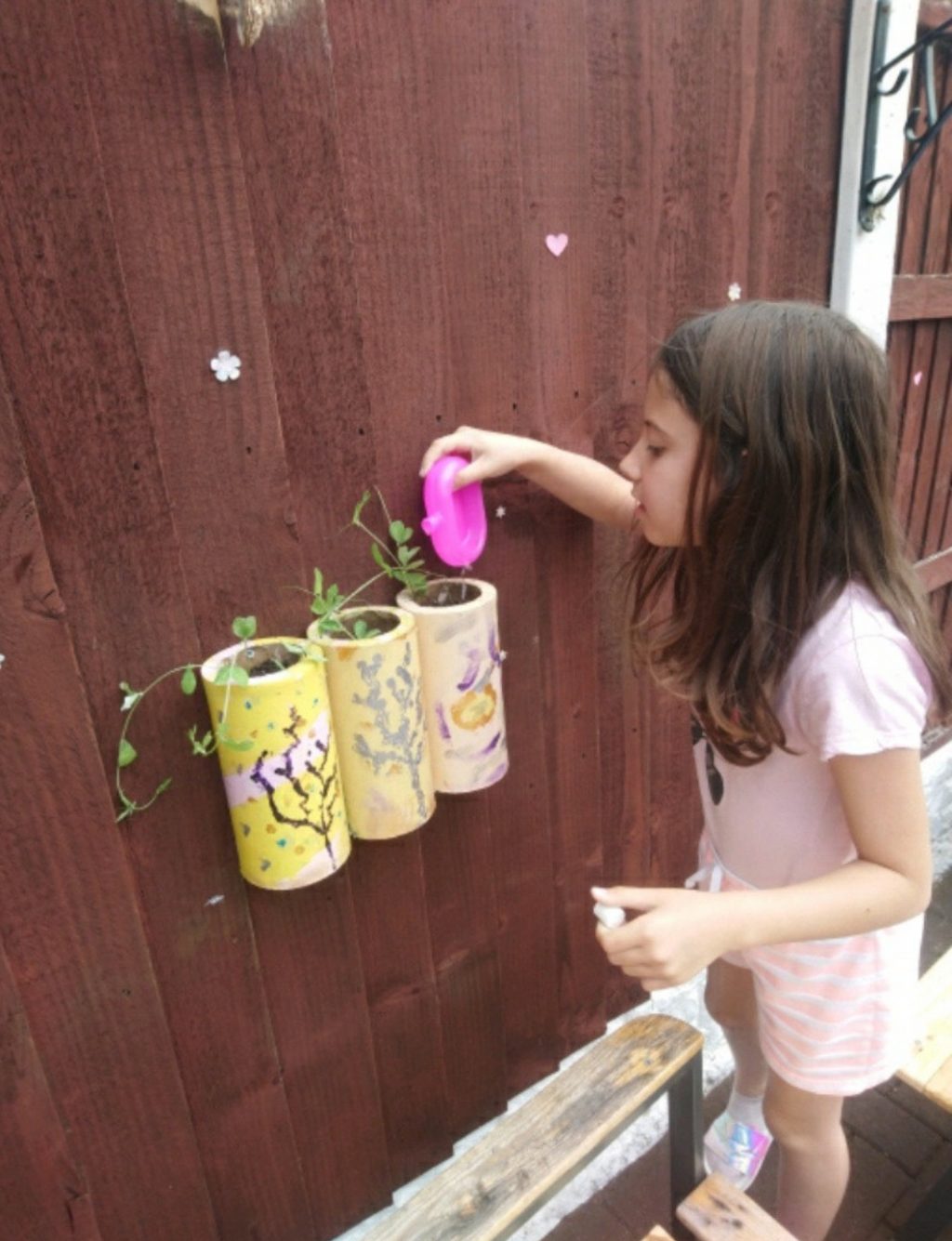
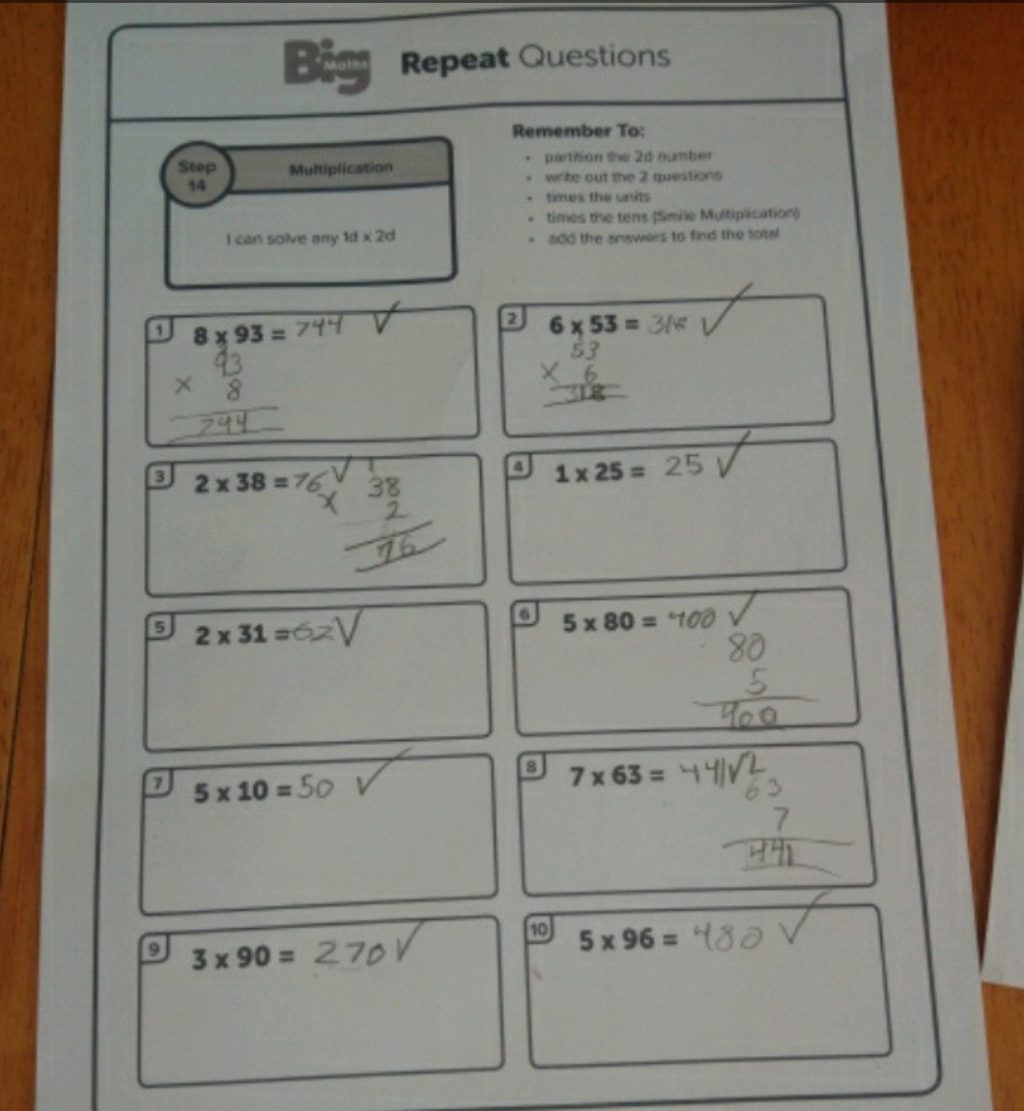
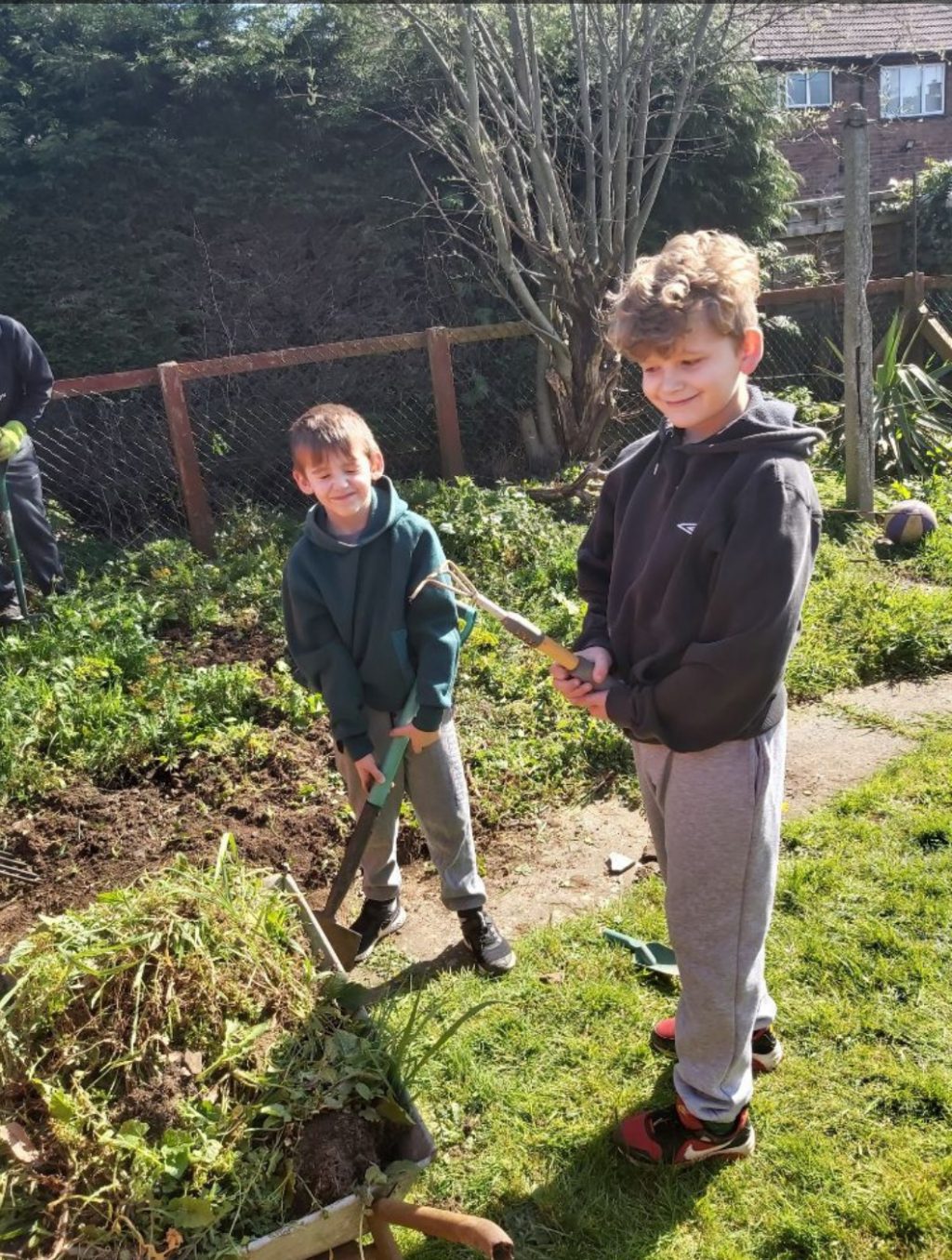
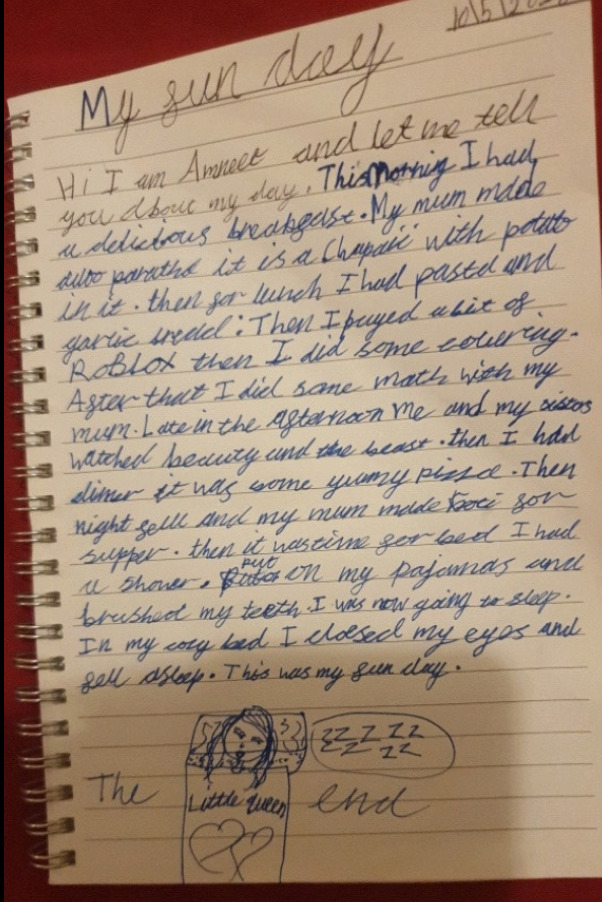
Next, we have some pictures of all the brilliant work you’ve been doing this week! Well done to those children who have managed to get their work on the Celebration post this week! We’ve had lots of Maths and English work happening but some Science and gardening aswell! From growing peas and raspberries to potatoes!
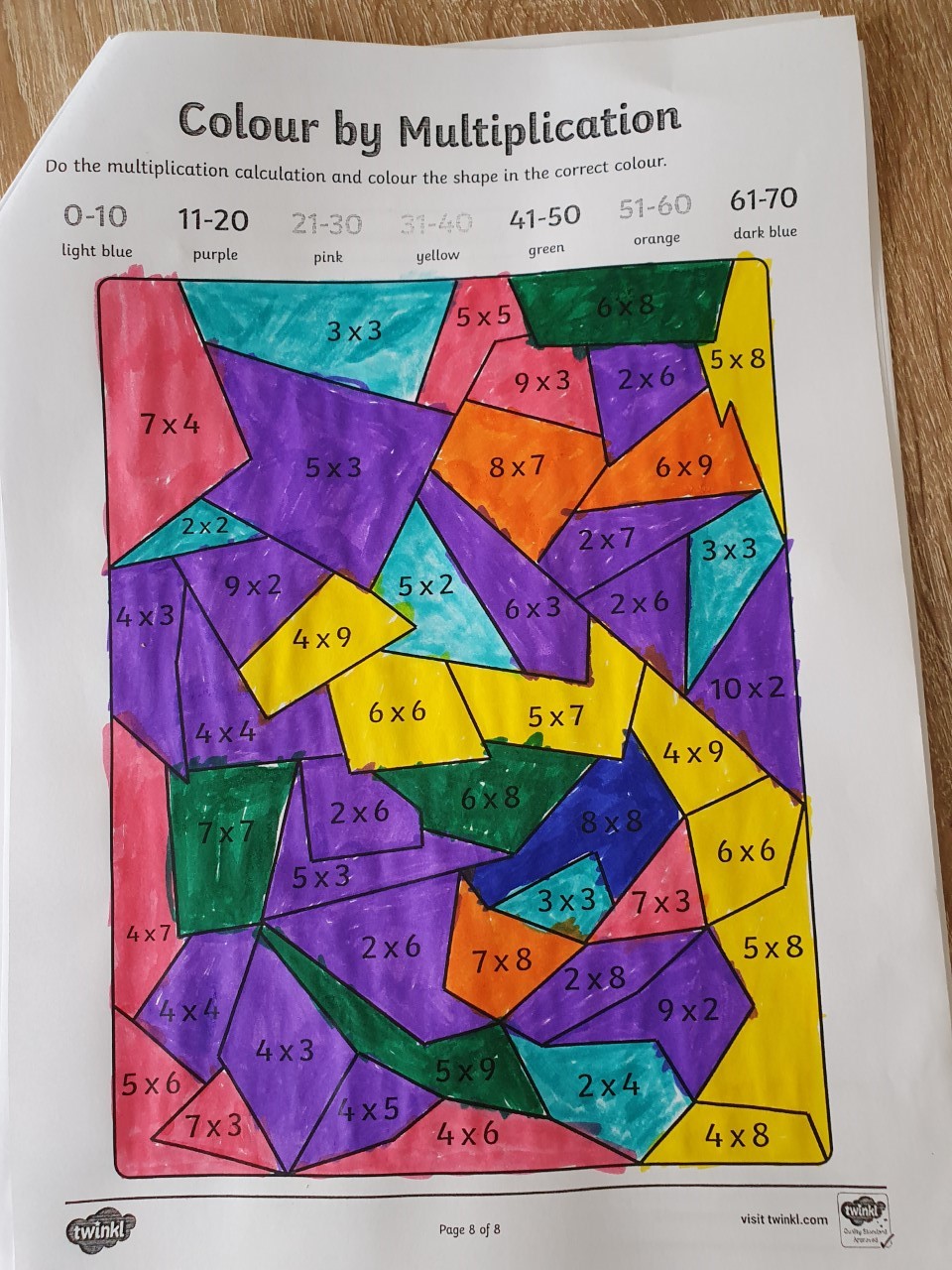
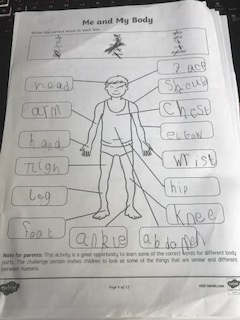
 

Thank you to everyone who is working so hard at home in these difficult times.

A HUGE well done from me and Mrs Pike!



English Home Learning 14th May 2020

Charlie Changes Into a Chicken by Sam Copeland

This is our weekly reading lesson and what a strange and intriquing book we have to look at this week!

Follow the link to the BBC Bitesize page to see the videos, read extracts and answer the questions about poor Charlie!


Maths Home Learning Friday 14th May 2020

Challenges!

Can you use what you’ve learnt to complete these challenges?

Challenge 1

Eric bakes these two trays of muffins.

Two baking trays each containing 6 muffins.

He eats 2 muffins.

His dad eats 3 muffins.

His sister eats 4 muffins.

How many muffins does he have left?

Grey line

Challenge 2

Lola buys this key ring.

A key ring with a price tag of 20 pence.

Her mum givers a quarter of the money.

She pays for the rest herself.

How much does she pay herself?

Grey line

Challenge 3

A teacher has three clues to determine his age; Clue 1 - This year my age is a multiple of 4; Clue 2 - Next year my age will be a multiple of 5; Clue 3 - I'm older than 18 but younger than 42.

How old is the teacher?

Grey line

Challenge 4

Ten trees are planted in a row.

10 trees.

The trees are spaced out equally.

The distance between the fourth and sixth tree is 8 metres.

An arrow labelled with 8 metres to show the distance between the fourth, fifth and sixth trees.

What is the distance between the first and last tree?

Grey line

As a rough guide of difficulty level:

  • Challenge 1 and 2 are suitable for ages 5 to 7.

  • Challenge 3 and 4 are suitable for ages 7 to 11.

We want everyone to get involved with challenge day, so work together to solve as many as you can and share your solutions!

Answer sheet
Follow this link and scroll to the bottom of the page to see the answers!