Home Learning Maths Monday 27th April

Good morning, I would like you to practise counting in 10s from different numbers. First count forwards then backwards. Imagine you are using the counting stick we use in class:

Try starting at 5

e.g. 5, 15 , 25 , 35 ….

Try starting at 2

Start at 9

Today we are going to focus on comparing lengths using the greater than, less then and equal to symbols:

First follow the link to watch the teaching slide and complete your Flashback 4:

https://whiterosemaths.com/homelearning/year-2/

The you might like to complete the two activities set on Purple Mash:

‘Shorter or Longer’ and ‘Tallest and Shortest’

Below are some activities for you to complete. Think carefully about the symbol you need to use, it might help to say the word ‘greater than’ , ‘less then’ or ‘equal to’ as you are writing.

Lesson-5-Y2-Spring-Block-5-WO3-Compare-lengths-2019

Finally you may like to tune into the daily BBC Bitesize Maths lesson to revise your knowledge of using different coins:

http://https://www.bbc.co.uk/bitesize/articles/z6tv382


English Home Learning Caradoc Monday 27th April

I hope that you all enjoyed the weekend!

Make sure you tune in to the RWI Phonics Set 3 sounds session.

Try to practise you spellings everyday, remember this week we are focusing on Year 2 common exception words. You could try to use some of the spelling words in your writing today!

Anna and the Third Leaf Chapter 4 has been set as a ‘2do’ on Purple Mash.

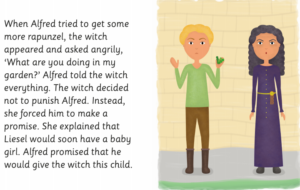
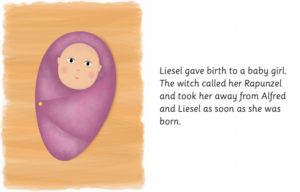
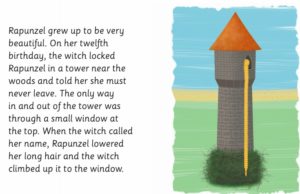
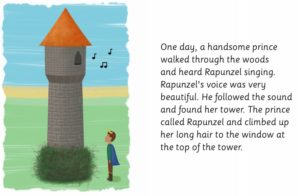
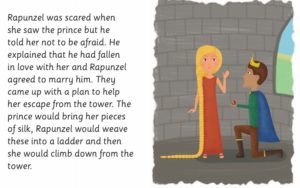
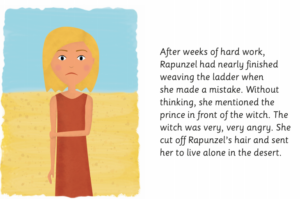
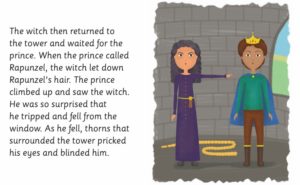
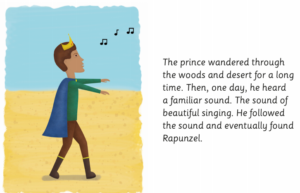
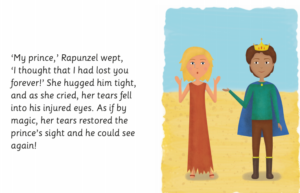
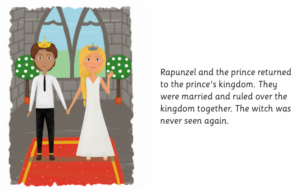
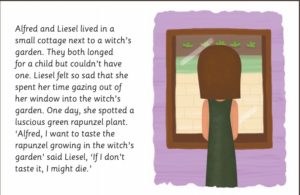
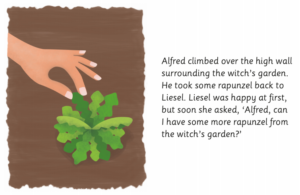
Our new topic is all about castles and last week you looked at the fairy tale Rapunzel. I would like you to read the story again carefully and then plan and write a news report about Rapunzel’s story. There is an example of a news port to look at (WAGOLL-What a good one look like) below.

Read the report and think about whether it covers all of the story’s important details and events. Look at features of the newspaper report, including the headline, captions, photographs and subheadings.
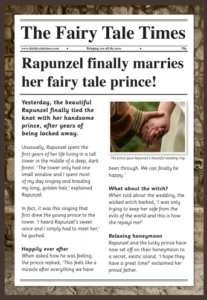
You could use this as a templete for your report or design your own layout. I have set newsreport templates as a ‘2do’ on Purple Mash.
Finally you may want to tune into the BBC daily Bitesize English lesson focusing on correct letter formation and using alliteration in your writing.

http://https://www.bbc.co.uk/bitesize/articles/zkbfy9q

Calling Holy Trinity Scientists!

Conservationists have been asking people for help to record the different types of butterflies that live in different areas around the country. This is so that scientists can find out more about different species and where they live.

Your challenge is to look carefully in your garden or whilst you are having your daily walk and record the butterflies you see and send this to your class teacher.

There are lots of great activities below you can complete linked to butterflies and other insects.

https://www.bbc.co.uk/news/uk-wales-52414876

Common garden butterflies

Make A Butterfly Kite

Make a Caterpillar Butterfly Wordsearch

_0 Make a Moth Mask_

0 Make a Butterfly Mask

Make a Butterfly Mask

Colouring In Butterflies & Moths

ButterflyButterfly Race Game_0  

Spellings Friday 24th April

This week we are going to focus on words from the Year 2 common exception word list. The spellings sheets are at the bottom of this page along with a dictation sheet you may want to use to check your spellings at the end of the week.

Why not try something different?

I would love to see some examples of your ‘Rainbow Spellings’

Spelling Cheeky Challenge:


Year2Spring2Week5LSCWC

Year 2 Spring 2 Week 5 Dictations

English Home Learning Friday 24th April

I hope that you have all been practising your spelling and letter formation! Did you check your spellings using the dictation sheet?

I will set new spellings today under the spelling tab and new dictation sheet.

Today, I would like you to do something a little different. To link with our Science topic on plants I would like you to have a look at the picture below, it is called the Magic Tree.

Choose whatever you would like to write about the picture, it could be a poem, a story or even a set of instructions. Let your imagination run away with you!

Then you might like to listen to the TV presenter Anita Rani read an extract from a story called Daisy and the trouble with life. There are some activities on the website you might like to try!

http://https://www.bbc.co.uk/bitesize/articles/zmp2mfr

Don’t forget there are some activities linked to Anna and the Third leaf on Purple Mash.

Maths Home Learning Friday 24th April

I have set some Maths challenges for today!

Challenge 1, look carefully at the symbol so that you know what operation to use. Once you have solved the first question, use what you have found out to solve the next 2. I will post the answers later on today!

For challenge 2, it would be helpful if you had some coins to use. Don’t worry if you haven’t got coins, you could draw them.

First think carefully about how much money Tom has altogether- that is your ‘whole amount’. A bar model might help you. Remember to show the whole amount clearly.


This is quite tricky!

You could make these digit cards yourself. Remember that you must use each digit to make the 3 digit numbers.

How many different 3 digit numbers can you make?

Science Home Learning

We are going to focus on plants this term. I know lots of you have been planting seeds at home. I would like you to keep a diary, you could take photographs or make drawings showing what happens to your seeds and take notes. I have planted some basil seeds at home and they are in a pot in a sunny place at home. I will put photographs on here to show what happens!

Basil seeds planted in compost

Have a look at the ‘Knowledge Organiser’ and  ‘Key Vocabulary’ posters here. Try to learn the key vocabulary, could you make a plant ‘dictionary’?

Home Learning in Caradoc

Earth Day poster by AJ
Super time work!
AJ’s recycling poster
Make sure you don’t get too cold AJ!
Maddie enjoying a story
Finding the difference
Allison enjoying the Easter challenge
Allison’s ‘Happy News’

I would like to say thank you for all of the support you are giving your child during these difficult times. It is wonderful to see so many photographs of the home learning taking places. Keep up the great work!   

Caradoc English Home Learning Thursday 23rd April

I hope that you are all practising your weekly spellings along with words form the Year 2 spelling list sent home. Remember that new spellings will be set under the spelling tab tomorrow. You could use the dictation sheet to check.

I hope that you are enjoying our class text, I have set more activities linked to this on Purple Mash.

Today I would like you to focus on writing commands (you can be a bit bossy!) and also using commas to separate items in a list.

Watch this short video to refresh your memory:

https://www.bbc.co.uk/bitesize/topics/zpbbkqt/articles/zbv72sg

Command sentences are used when you are telling someone to do something. Watch the video below to find out more.

Commands usually start with a ‘bossy verb’, because they tell someone to do something.

“Fetch me some biscuits.”

In this example, ‘fetch’ is the bossy verb.

You should use commands when you are writing instructions telling someone how to do something.

Practise

You may need paper and a pen or pencil for some of these activities.

Activity 1: Let’s make a list

Watch this video and talk about what you see

If you could grow any fruit or vegetables in the world, what would you grow? Make a list of fruit and vegetables that you would grow and explain why you have chosen them. For example:

“I would grow apples, oranges and pears because my family really like fruit salads.”

Try to write three sentences like this one. You could always say them out loud before you write them down, if it helps.

Activity 2: Let’s write instructions

Do you know how to look after plants? You might want to have another look at the video in activity 1 to remind you.

Write a set of instructions about how to look after a plant.

You will need to:

  • write a mini introduction title to grab the attention of the reader. This could be a question like: ‘Do you sometimes struggle with caring for plants? Read on to find out more.’
  • write clear instructions on how to look after plants
  • organise your instructions using numbers and time words (first, next, then, last)

Remember to use ‘bossy verbs’ in your sentences.

An example of your first instruction could be:

  1. First put your plant in a place where it is light.